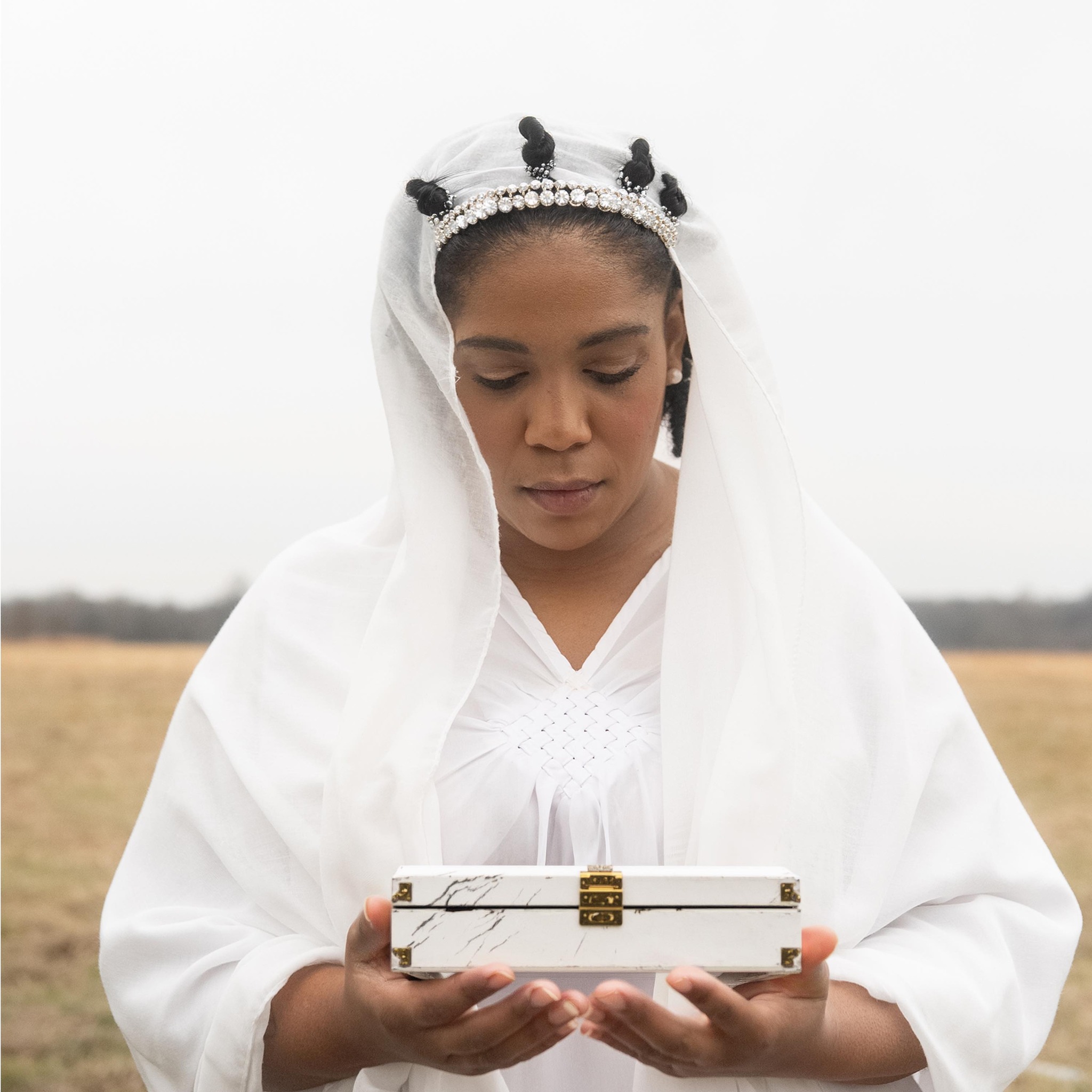
GRAMMY-winning engineer and producer Lady Audri is stepping boldly into a new season - this time as the artist at the center of the story. Following her acclaimed behind-the-scenes work on award-winning projects including The Urban Hymnal with the Tennessee State University Aristocrat of Bands, the Grenada, Mississippi native is now channeling years of creative development into her own music.
Blending Gospel, Hip-hop, and R&B with soulful honesty and modern production, Lady Audri's upcoming single "IOU," arriving May 29, is both deeply personal and universally relatable. Built around syncopated guitar grooves, trap drums, and bumpin' 808s, the mid-tempo track explores gratitude, growth, faith, and the realization that no journey is accomplished alone.
In this conversation, Lady Audri opens up about returning to music after a difficult creative season, rediscovering her faith, transitioning from engineer to artist, and the personal experiences that shaped "IOU." She also reflects on the musical influences that formed her sound and shares what listeners can expect from the next chapter of her artistry.
Listen to "IOU" here.
Q: For those discovering your music for the first time, how would you describe who Lady Audri is as both an artist and a GRAMMY-winning engineer stepping into the spotlight?
Lady Audri is a soul-driven artist who blends Gospel, R&B, and Hip-Hop to create music rooted in truth, faith, and honesty. Wanting to be an artist is what first led me into engineering, though I didn't realize how much it would sharpen me as a producer, songwriter, and creative. I believe the development happened long before the recognition. The GRAMMY was confirmation that I had been professionally developed. Now, stepping into the spotlight feels like alignment. Everything I've learned, built, and experienced over the span of 20 years is finally being expressed through my voice.
Q: "IOU" centers on gratitude, growth, and recognizing the people who helped shape your journey. What personal experiences inspired the message behind this song?
There have been a lot of personal experiences that inspired the message behind 'IOU,' but three stand out the most.
First, returning to creating and releasing music again reignited something in me. I hadn't released music in four years, and that season was very difficult for me, because music has always been my way of expression. Not releasing made me feel silenced in many ways. It affected how I created and how I viewed myself as an artist. When I pushed through that season, the music began flowing again-more natural, more honest, and even better than before.
Second, there were moments when I deeply desired support from people I had shown up for, and when it wasn't reciprocated, it forced me to grow. I realized that the journey can feel lonely, but it also taught me to trust God and keep moving forward.
The third experience was the renewal of my faith through Jesus Christ. Reconnecting with God gave me clarity and reminded me of what I'm called to do. 'IOU' is ultimately rooted in gratitude-for God's grace, for growth, and for the journey that shaped me. In many ways, it's my way of honoring what I owe to Him, to the people I'm called to serve through music, and to myself.
Q: Your sound blends Gospel, Hip-hop, and R&B with both soulful and modern influences. How did you develop that musical identity, and which artists or experiences shaped it most?
One of my earliest memories is seeing a CD cover with my dad's face on it alongside his brothers and uncles. They had a Gospel group called Decisions, and as a little girl, I thought it was the coolest thing. In my mind, only famous people were on CD covers. Looking back, I believe that moment planted the seed for me to want to become an artist. Later, I found out they had even opened for Kirk Franklin in Greenwood, Mississippi, which made me appreciate that legacy even more.
Another Gospel group in my family, Saved By Grace, was made up of an uncle, aunts, and a cousin. I remember listening to their music constantly and singing every word. What stood out to me was that even though it was Gospel, it carried soulful R&B and Hip-hop influences, and I think that naturally shaped my ear from a young age.
How I got into Rap culture is a different story. I grew up in a Christian home, so Gospel music was the standard. Of course, I became curious about everything outside of that, so I would sneak and listen to R&B, Rap, and Pop music. Those sounds expanded my creativity and understanding of storytelling, melody, and rhythm.
As far as influences, artists like The Clark Sisters, Kierra Sheard-Kelly, Chris Brown, Beyoncé, and Southern rappers all played a role in shaping me.
Q: As someone who has worked behind the scenes on major projects like The Urban Hymnal before launching your own artist career, what has been the biggest transition emotionally and creatively?
Moving back home was one of the hardest transitions I've experienced, but also one of the most necessary. It required me to slow down and face a lot of things personally and creatively that I had been pushing through for a long time.
Around that same period, I was also stepping away from a long-term creative environment that had become a major part of my life. Emotionally, that was very difficult because I had built close working relationships, and I naturally tend to pour a lot into the people I work with. I had to learn- and I'm still learning-how to pour that same care back into myself.
Creatively, I realized I needed more space and quiet to fully hear my own ideas again. In fast-paced environments, you're constantly responding to direction and other creative voices, and over time, I understood that I needed room to reconnect with myself.
That season ultimately gave me the reset I didn't know I needed. It helped me regain clarity, trust my instincts again, and step into my artistry with a deeper sense of freedom and intention.
Q: Being both a producer and vocalist gives you a unique perspective on music creation. How does your engineering background influence the way you approach songwriting, vocals, and production today?
Engineering taught me to hear music beyond just the surface. Understanding frequencies, textures, and how different sounds emotionally affect a listener influences everything-from songwriting to vocal delivery to production choices.
A lot of times, I can hear a song in my head before it fully exists. I can hear the emotion, the space, the arrangement, and even how certain elements should feel sonically. That vision often guides the direction of the songwriting and production process.
Sometimes the production influences the writing, sometimes the lyrics influence the vocal approach, and sometimes it all develops together. For me, it's all connected.
Q: With releases like "Alabaster Box," "Amen," and now "IOU," what can listeners expect from the next chapter of your artistry and future music?
Listeners can expect continued growth, honesty, and evolution from me as an artist. Creatively, I'll continue to keep pushing myself sonically by exploring different sounds and creative spaces. I believe they will experience that evolution in real time.
Whether someone is nodding their head, singing along, or sitting with the message, my hope is that the music does more than entertain. I want it to draw people closer to God. That's the mission for me.


