Prime Cuts: "Healing in the House," "He Touched Me," "We Shall Behold the King"
Overall Grade: 4/5
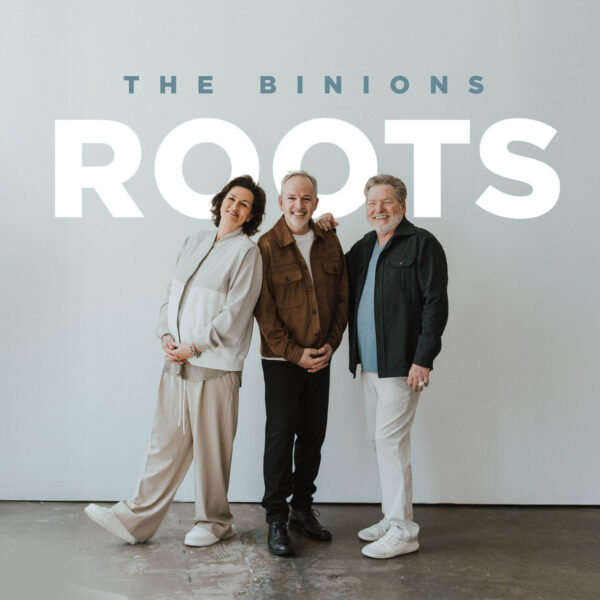
There is something profoundly fitting about The Binions returning with an album titled Roots. More than four decades after first ministering together as teenagers, siblings Bobby, David, and Lisa Binion reunite for a full-length recording that feels less like a comeback and more like a homecoming. Released through StowTown Records, the project draws deeply from the songs, sounds, and spiritual foundations that shaped their early ministry - and the result is a warm, joy-filled celebration of family faith and Southern gospel heritage.
From the opening moments, Roots feels intentionally unhurried. The production leans into authenticity rather than polish, allowing harmonies and lyrical conviction to carry the emotional weight. Producer Michael Sykes wisely gives the trio room to breathe, capturing the chemistry that only siblings who have lived decades of ministry and life together can convey. There is a natural ease in their delivery that gives the album an almost devotional intimacy.
The prime cuts highlight the project's strengths beautifully. "Healing in the House" stands out as the emotional center of the album. Written by Lisa and David, the song balances testimony and hope, combining heartfelt lyrics with a melody that feels instantly familiar. The Binions sing it with quiet authority, as if sharing a hard-earned truth rather than merely performing a track. It is contemporary enough to connect with modern listeners while remaining rooted in classic gospel sensibilities.
"He Touched Me," the beloved Bill Gaither classic, becomes one of the album's most moving moments. Rather than attempting to reinvent the song, the trio honors its legacy with reverence. Their harmonies unfold gently, evoking the feel of a church service where generations gather around a shared hymn. The performance reflects not only musical skill but deep personal connection - especially given the song's history within their family.
"We Shall Behold the King," one of the Binions' own enduring compositions, anchors the album with a sense of legacy. Hearing the siblings revisit a song that has impacted gospel music for decades adds emotional gravity. The arrangement blends nostalgia with renewed conviction, reminding listeners why the song has remained a favorite across multiple generations of gospel artists and audiences.
Elsewhere, Roots shines through its thoughtful selection of classic material, including songs associated with The Happy Goodman Family and Dottie Rambo. Tracks like "Give Up," "I'm Persuaded to Believe," and "When I Lift Up My Head" feel lovingly chosen rather than obligatory nods to tradition. The album's emotional tone remains consistently hopeful, reflecting a family that values joy as much as testimony.
If there is a minor critique, it is that some arrangements stay comfortably within traditional boundaries, occasionally leaving listeners wishing for a slightly more daring sonic stretch. Yet that restraint also feels intentional; this project is about preservation and celebration rather than reinvention.
What ultimately makes Roots compelling is the sense of joy that runs through every track. Lisa's comment that the making of the record was defined by "JOY" is evident from start to finish. The album never feels nostalgic for nostalgia's sake - instead, it invites listeners into a living legacy where old songs still speak and faith stories continue to unfold.
For longtime Southern gospel listeners, Roots will feel like reconnecting with family. For newer audiences, it serves as an accessible doorway into the timeless themes and harmonies that have defined the genre. The Binions have not simply revisited their past; they have reminded listeners why those roots still matter today.


