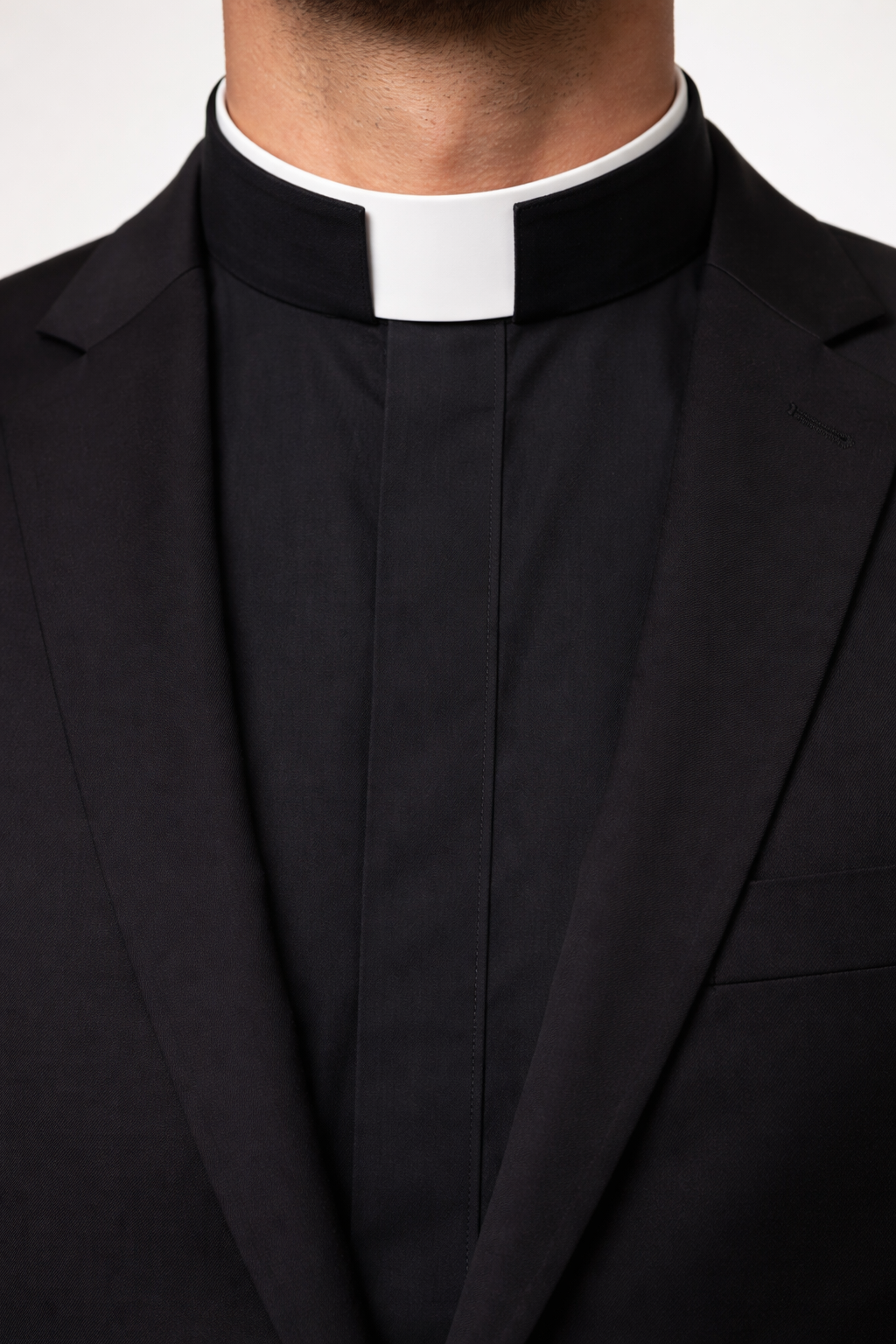
Public confidence in the honesty and ethical standards of clergy has fallen to its lowest level in five decades of polling, according to new data released by Gallup. The annual survey, conducted Dec. 1-15, 2025, found that only 27% of Americans rate clergy as having "high" or "very high" honesty and ethical standards - a historic low since the survey began in 1976.
The findings place clergy among a broader group of professions facing declining public trust. Gallup reported that seven occupations reached record-low or tied-low ratings, including pharmacists, high school teachers, police officers, business executives, stockbrokers and telemarketers. Despite declines across multiple sectors, nurses again ranked as the most trusted profession, followed by military veterans, medical doctors and pharmacists - the only professions with majority-level positive ratings.
Historically, clergy and pharmacists were among the most highly regarded professions before the late 1990s. However, public confidence in clergy fell below the 50% threshold for the first time in 2013 and has continued a gradual downward trajectory since then. The latest results reflect a broader erosion of trust across professions, with Gallup noting that average ethical ratings across long-tracked occupations are now at historic lows.
Additional research from Barna Group suggests that declining trust extends into spiritual leadership specifically. A Barna study found that only 23% of U.S. adults said pastors are "definitely" a trustworthy source of wisdom, while perceptions varied sharply between Christians and non-Christians.
Recent findings released through Gloo in partnership with Barna highlight generational shifts in spiritual trust and discipleship patterns. Among Gen Z, the Bible and family members often rank ahead of pastors as sources of spiritual guidance, indicating a growing emphasis on self-directed or relationally grounded faith exploration.
The data paints a complex picture for faith communities in the United States: while spiritual interest persists among younger generations, institutional trust in clergy appears to be weakening amid wider societal skepticism toward authority figures and professional institutions.
Industry observers note that the decline does not necessarily signal a rejection of faith itself, but rather changing expectations around transparency, accountability and leadership credibility in both religious and secular spaces.
Gallup's full report on the honesty and ethics rankings is available here: Gallup Honesty and Ethics Survey.
Barna's related research on trust in pastors can be viewed here: Barna report on pastor credibility.
As churches and faith leaders continue navigating cultural shifts, the latest findings offer a clear signal that rebuilding trust may become one of the defining challenges - and opportunities - facing religious leadership in the years ahead.


