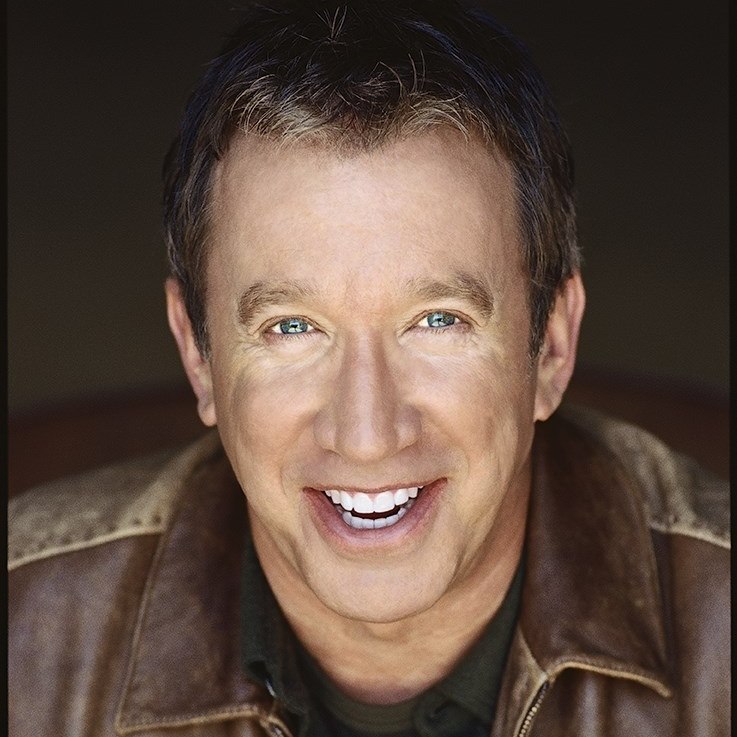
Actor Tim Allen has publicly shared a deeply personal moment of spiritual breakthrough, revealing that he has finally found the strength to forgive the man responsible for his father's death more than six decades ago. Allen says the turning point came after hearing a powerful act of Gospel-centered forgiveness from Erika Kirk, widow of conservative commentator Charlie Kirk, during a recent memorial service.
In a post shared on X, Allen reflected on Kirk's words, which he described as profoundly moving. At the service, Erika Kirk publicly forgave the man charged with killing her husband, declaring, "That man ... that young man ... I forgive him," while invoking Christ's words from the cross: "Father, forgive them."
Allen responded with his own confession and release:
"I have struggled for over 60 years to forgive the man who killed my Dad. I will say those words now... 'I forgive the man who killed my father.' Peace be with you all."
A Wound That Shaped a Lifetime
Allen was just 11 years old when his father, Gerald M. Dick, was killed by a drunk driver in 1964 while driving his family home from a football game. Over the years, Allen has spoken candidly about how that loss marked him emotionally and spiritually, shaping much of his life, humor, and inner struggle. The trauma, he has said, never fully healed.
Raised Episcopalian, Allen has acknowledged that the tragedy led to seasons of doubt, anger, and skepticism toward God. Yet in recent years, he has increasingly spoken about a renewed engagement with faith and Scripture, describing God as "The Builder" and calling his experience reading through both the Old and New Testaments a "treasure" and a humbling encounter.
Forgiveness Rooted in the Gospel
Erika Kirk has emphasized that her forgiveness was not born of human resolve alone, but of obedience to the Gospel. In her words, Christ's response to the crucifixion remains the defining model: forgiveness offered in the face of injustice and suffering. "The answer to hate is not hate," she explained. "The answer we know from the Gospel is love."
Allen's response suggests that her testimony served as a living sermon-one that finally allowed him to release a burden he had carried for most of his life.
A Public Witness, A Personal Healing
While Allen's statement was brief, its impact resonated widely, marking a rare moment of vulnerability from a Hollywood figure long known for wit and guarded spirituality. His decision to publicly name forgiveness represents not only a personal milestone, but also a broader cultural moment-one in which Christian forgiveness is presented not as weakness, but as hard-won freedom.
By linking his healing to Christ's example and to another believer's courageous witness, Allen's story underscores a central Christian truth: forgiveness does not erase loss, but it can transform it.


