Seychelles is often described as paradise - turquoise waters, coral reefs and beaches that look almost untouched by time. But this week, the U.S. Centers for Disease Control and Prevention (CDC) issued a Level 2 travel health notice for the island nation following a rise in chikungunya cases.
For travelers, the obvious question is: Should plans change?
At this stage, the CDC is not advising people to cancel trips. A Level 2 notice simply urges visitors to "practice enhanced precautions." In this case, that means taking steps to prevent mosquito bites.
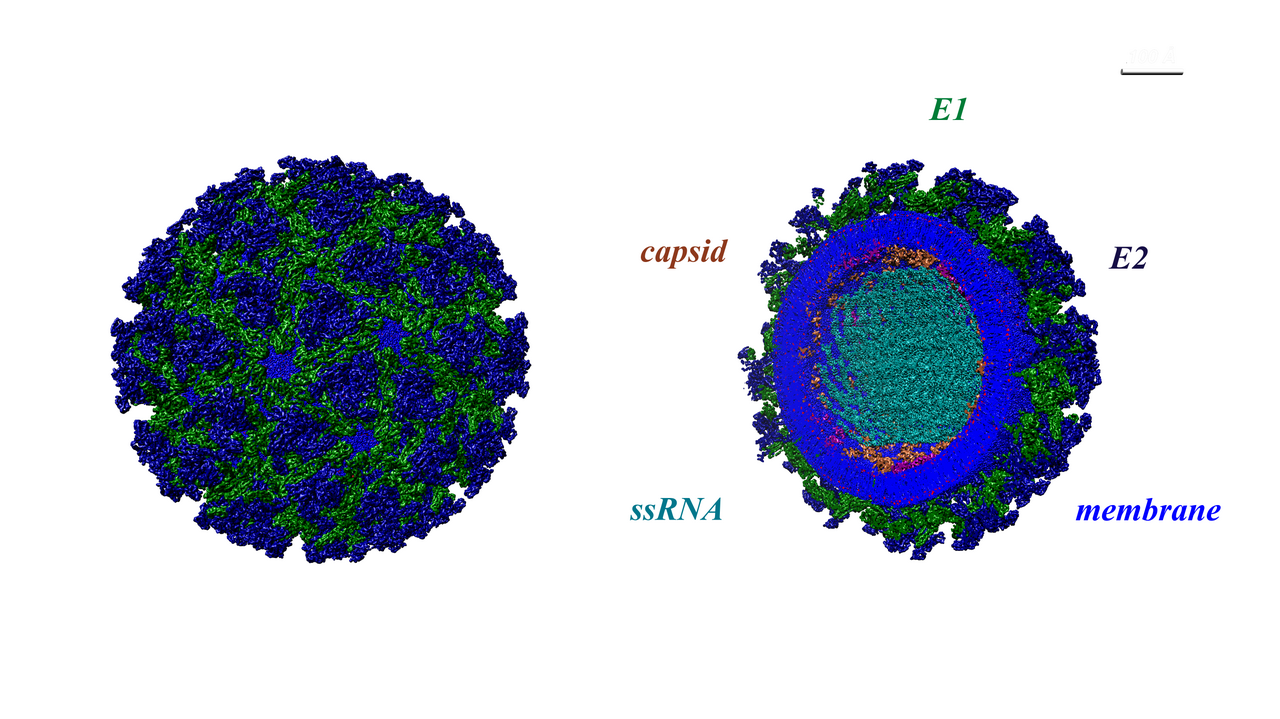
Chikungunya is a viral disease spread through infected Aedes mosquitoes, not through casual person-to-person contact. Symptoms typically appear three to seven days after a bite and most commonly include sudden fever and joint pain. Some people also experience muscle aches, headache, fatigue and rash. While most recover within about a week, joint discomfort can linger for months in certain cases. Severe illness is uncommon but may occur in older adults, newborns or individuals with underlying health conditions.
Health officials in Seychelles have reported increasing infections in recent weeks, with chikungunya cases outpacing other mosquito-borne illnesses such as dengue and Zika. European health agencies have also identified infections among travelers returning from the islands between December 2025 and January 2026.
The CDC recommends using EPA-approved insect repellent, wearing long sleeves and pants, and staying in accommodations with proper screens or air conditioning. A U.S.-approved chikungunya vaccine is available for individuals age 12 and older and may be considered depending on travel plans.
Seychelles remains open to visitors. But as global travel continues to link distant shores, health experts emphasize a simple principle: informed travelers are safer travelers. Preparation - not panic - remains the key.


