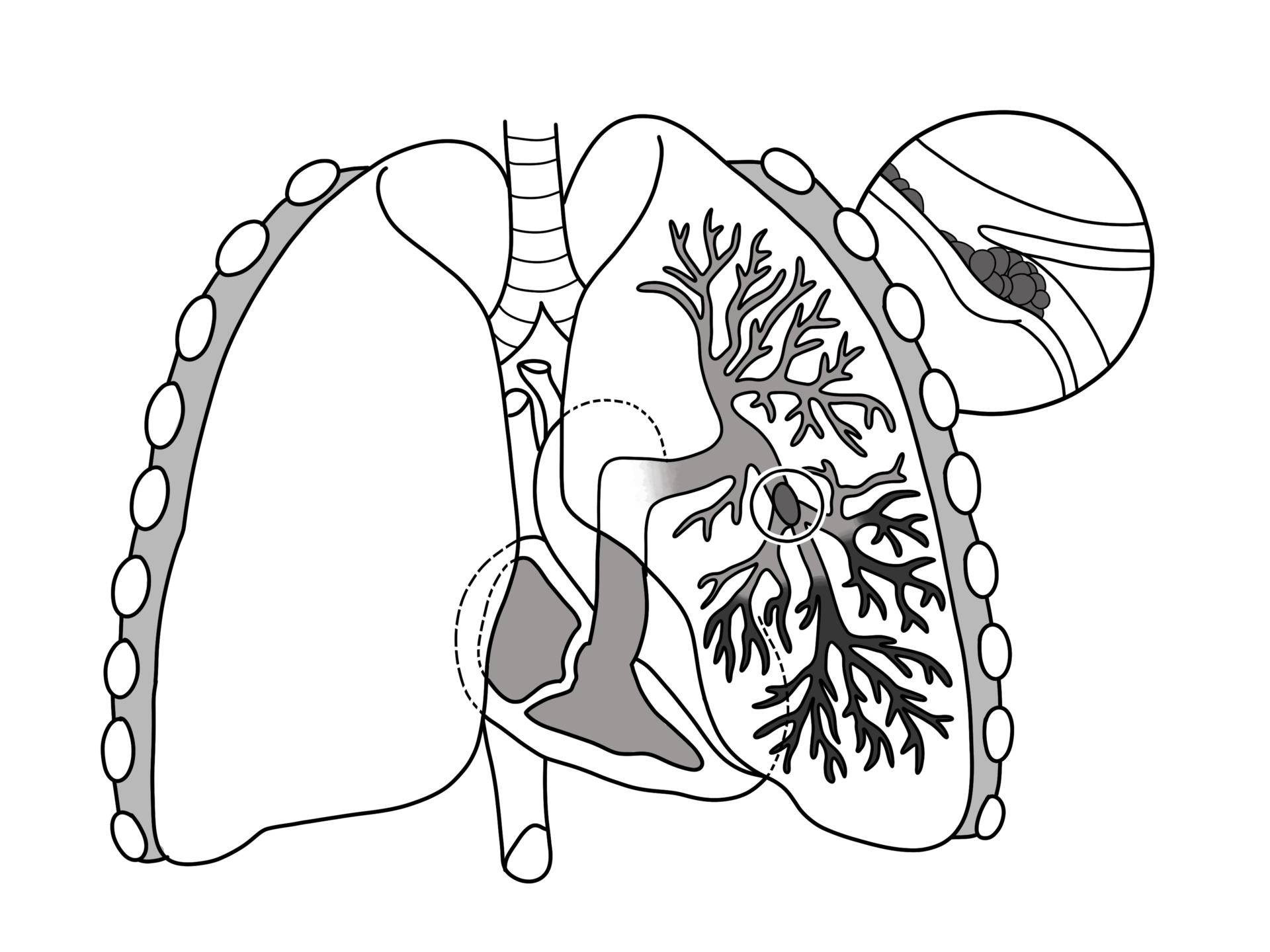
Following the recent confirmation of Catherine O'Hara's cause of death, many readers have been seeking a clearer understanding of pulmonary embolism and why the condition can be so life-threatening.
A pulmonary embolism (PE) occurs when a blood clot blocks one or more arteries in the lungs. According to the U.S. Centers for Disease Control and Prevention (CDC), these clots typically form in the deep veins of the legs-a condition known as deep vein thrombosis (DVT)-before traveling to the lungs. Once lodged, the clot can severely restrict blood flow, reducing oxygen levels and placing sudden strain on the heart.
Pulmonary embolism is considered a medical emergency because symptoms can appear abruptly and worsen rapidly. Common warning signs include sudden shortness of breath, sharp chest pain that intensifies with deep breathing, rapid heartbeat, dizziness, and coughing, sometimes accompanied by blood. However, health experts caution that some cases present few noticeable symptoms, making early detection difficult.
Risk factors include prolonged inactivity, recent surgery, cancer and cancer treatments, smoking, certain genetic clotting disorders, and older age. The National Heart, Lung, and Blood Institute notes that individuals undergoing cancer treatment face a significantly higher risk due to increased clot formation in the bloodstream.
Treatment often involves anticoagulant medications to prevent further clotting, while severe cases may require clot-dissolving drugs or surgical intervention. With prompt diagnosis, many patients recover, but delayed treatment can prove fatal.
Doctors emphasize that while not all pulmonary embolisms can be prevented, certain steps can significantly reduce risk. These include staying physically active, avoiding prolonged periods of immobility, staying well-hydrated, and following medical advice after surgery or during long-distance travel. For individuals at higher risk-such as cancer patients or those with a history of blood clots-physicians may recommend blood-thinning medications or compression stockings. Health experts stress the importance of recognizing early symptoms and seeking prompt medical care, as early intervention can be lifesaving.
As tributes continue to honor O'Hara's remarkable life and career, her passing also serves as a reminder of the hidden health struggles many endure quietly. For people of faith, moments like these often inspire reflection, compassion, and prayer for those facing unseen medical battles.
Health professionals urge anyone experiencing sudden or unexplained symptoms to seek immediate medical care and to discuss individual risk factors with a qualified physician.
Related: Catherine O'Hara's Cause of Death Revealed


