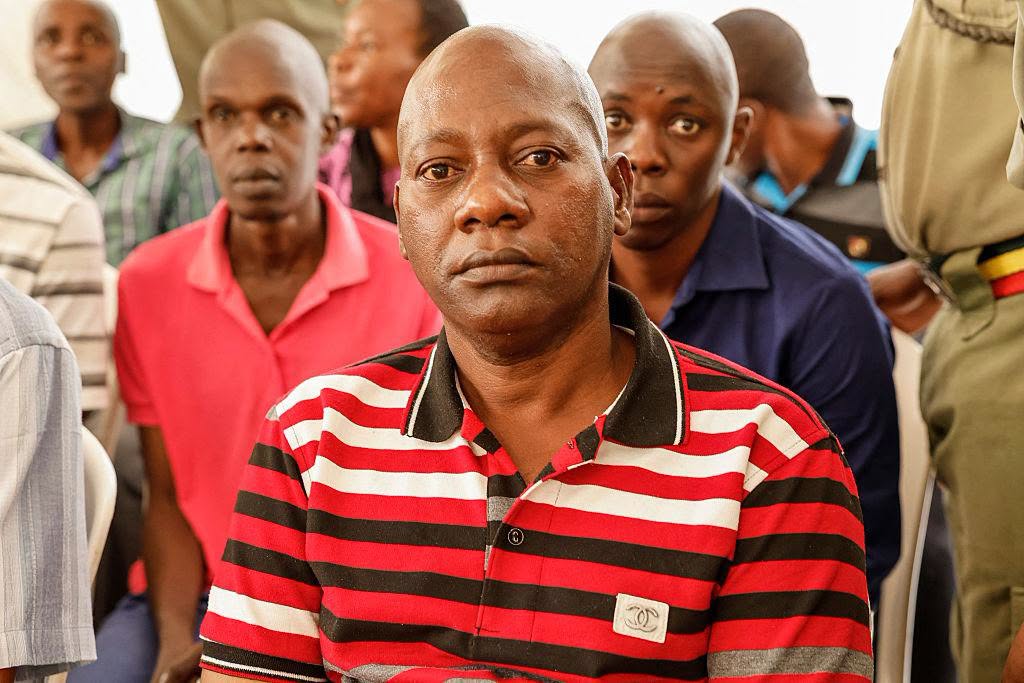
A Kenyan court has convicted self-proclaimed pastor Paul Mackenzie of murdering 190 children and one adult, delivering a major verdict in the Shakahola starvation cult case. The October 19 ruling also found 28 associates guilty, following an investigation that exposed hundreds of deaths linked to his religious movement.
Mackenzie, leader of the Good News International Church, promoted an apocalyptic message that urged followers to starve themselves and their children to reach heaven before the world ended. The case places a disturbing abuse of religious authority at its center: promises of salvation became instruments for demanding obedience that endangered the people entrusted to his care.
Authorities arrested Mackenzie in 2023 after receiving a tip about activities connected to his group. Investigators subsequently uncovered shallow graves in Shakahola Forest in southeastern Kenya, with the number of bodies recovered eventually exceeding 400. The 191 murder convictions concern a specific group of victims within that wider tragedy.
The evidence described coercion extending beyond sermons about fasting. According to Associated Press reporting, children were denied food, while guards prevented followers from escaping or obtaining something to eat. Mackenzie denied compelling people to fast, but the court found him criminally responsible for the deaths.
The circumstances of the deaths also complicate descriptions of the disaster as starvation alone. Investigators found that some victims had died from suffocation or injuries, while survivors described violence against those who resisted. Such findings make the treatment of vulnerable followers-and especially children-central to understanding what happened.
The verdict renews questions about why earlier encounters with authorities failed to stop Mackenzie's activities. Police had searched his premises in 2017, and his church was shut down in 2019 before he relocated to the forest. Those earlier interventions leave an urgent question for public officials: what prevented warning signs from producing lasting protection for those at risk?
For churches, the case raises equally serious questions about accountability when a leader claims spiritual authority over followers' health, family relationships and access to help. The reported isolation of members and rejection of medical care illustrate how dangerous that authority can become when outside scrutiny is treated as a threat.
Sentencing is scheduled for November 6. Mackenzie's defense lawyer has said he has been instructed to appeal, while investigations into other deaths continue, leaving further legal proceedings ahead for a case whose human toll extends well beyond this verdict.


