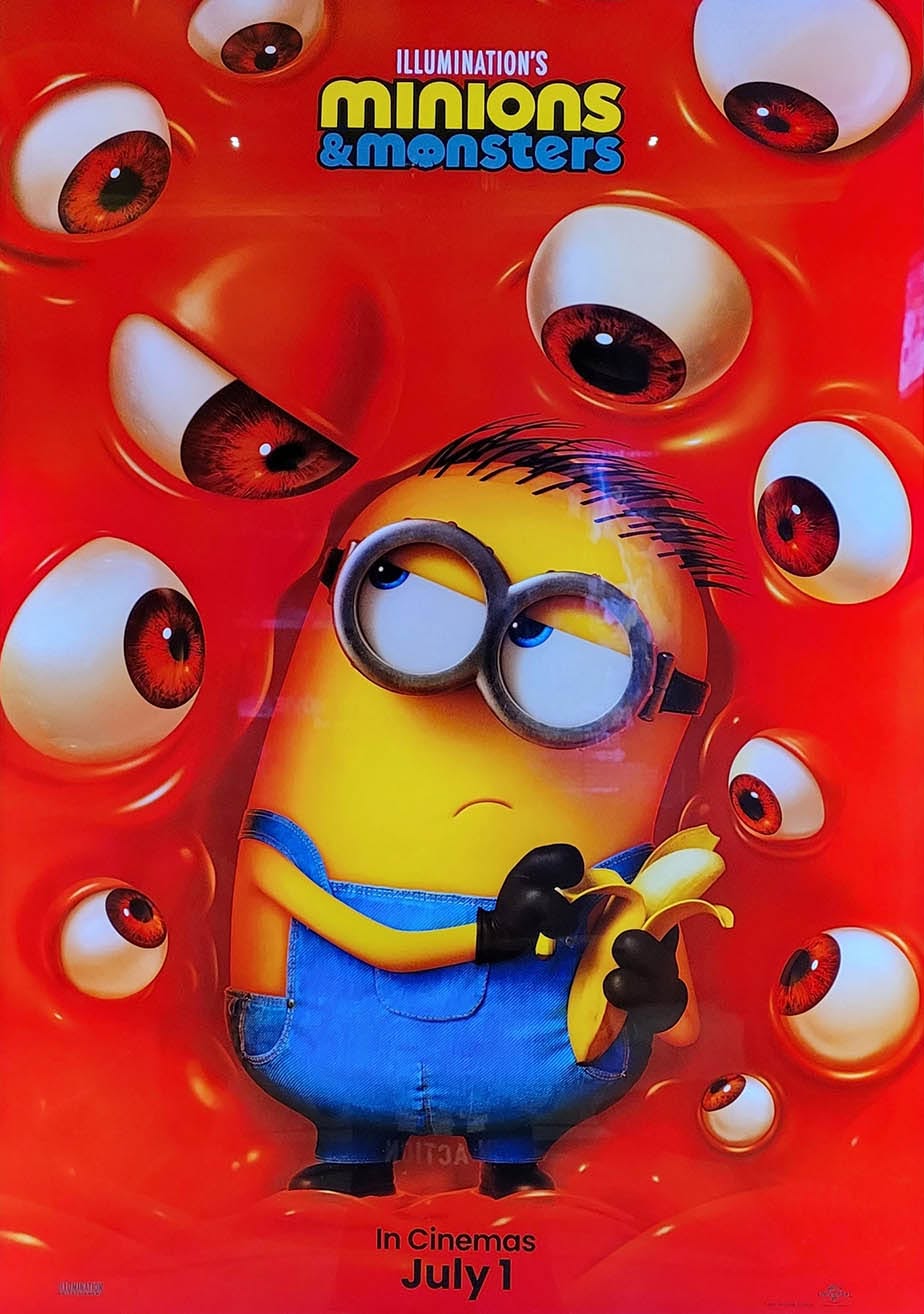
The newest adventure in the Despicable Me universe may have claimed the No. 1 spot at the domestic box office, but Minions & Monsters is also finding itself at the center of an unexpected controversy.
Despite opening atop the box office during the July 4 holiday weekend, the film recorded the weakest opening of any standalone Minions movie-a surprise for one of Hollywood's most reliable family franchises. While several factors may have contributed to the softer-than-expected debut, a growing number of Christian parents say they deliberately stayed home after social media users began raising concerns about the film's spiritual themes.
In recent days, videos and posts warning about alleged occult symbolism in Minions & Monsters have spread rapidly across Facebook, YouTube, TikTok, and Instagram. Some parents claim the movie introduces children to witchcraft, magic, and supernatural themes in ways they believe normalize the occult, while others argue the concerns are being exaggerated and taken out of context.
The debate has become so widespread that many Christian families are asking a familiar question: Where should believers draw the line when it comes to fantasy entertainment?
The Christian Post recently highlighted three considerations Christians should keep in mind before deciding whether to watch the film.
The first is recognizing that the movie contains unmistakable supernatural elements. While fantasy has long been part of children's storytelling-from fairy tales to talking animals-some believers distinguish between imaginative fiction and stories that prominently feature spells, sorcery, or occult imagery. For these parents, the concern is less about cartoon comedy and more about repeated exposure to spiritual concepts Scripture treats seriously.
A second consideration is the importance of parental discernment. Not every child processes fictional content in the same way. Some families may view the film as harmless fantasy, while others believe younger viewers could struggle to separate entertainment from real-world spiritual ideas. Christian parents are encouraged to evaluate not only the content itself but also the maturity of their children and the conversations that may follow.
Finally, many pastors encourage families to use moments like these as teaching opportunities rather than simply issuing blanket bans. Watching-or choosing not to watch-a movie can become an opportunity to discuss what the Bible teaches about good and evil, spiritual warfare, wisdom, and discernment. Rather than allowing social media to shape their convictions, believers are urged to filter entertainment through a biblical worldview.
The controversy has reignited a debate that has surfaced repeatedly within Christian circles over the years. Similar conversations surrounded the Harry Potter franchise, Disney's Hocus Pocus, Encanto, and other fantasy films featuring magic or supernatural themes. While some Christians avoid such movies altogether, others argue there is an important distinction between fictional fantasy and practices the Bible explicitly condemns.
Meanwhile, Universal and Illumination have not publicly addressed the online criticism, and there is no indication the filmmakers intended the movie to promote occult practices. Even so, the viral discussion appears to be influencing at least some families' decisions about whether to buy a ticket.
Whether the online backlash ultimately affects the film's long-term box office performance remains to be seen. What is clear, however, is that Minions & Monsters has become more than just another animated comedy. For many Christian parents, it has sparked a broader conversation about entertainment, discernment, and how believers should navigate popular culture without compromising biblical convictions.


