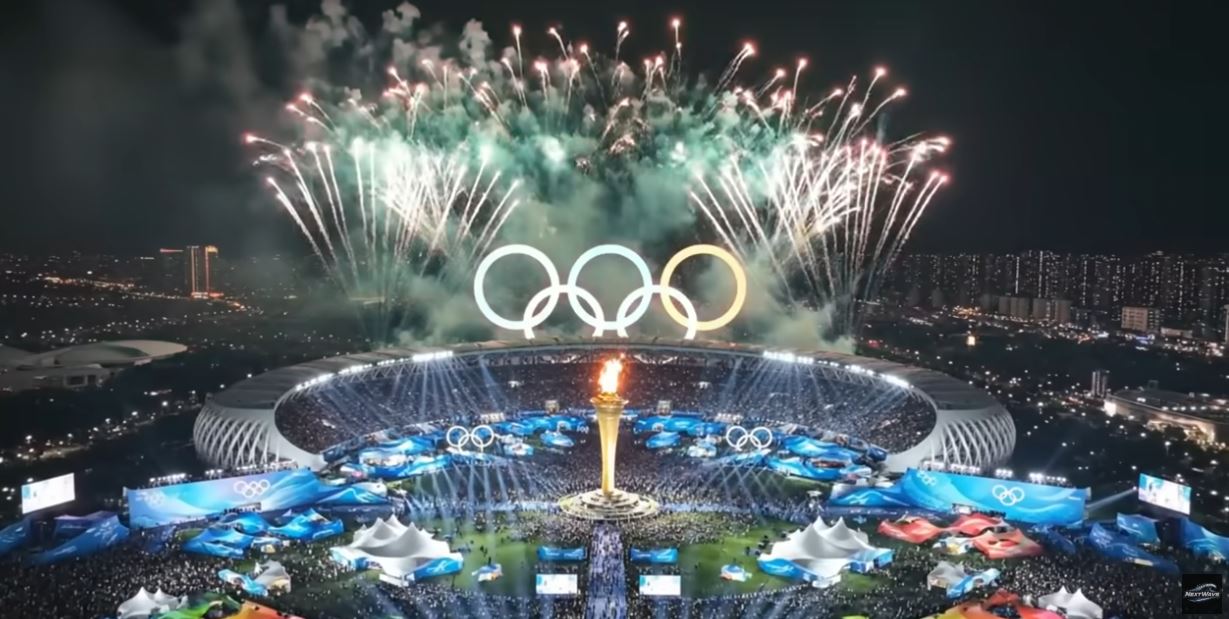
Discussions surrounding live versus pre-recorded performances have once again surfaced following the Opening Ceremony of the 2026 Milan-Cortina Winter Olympics, highlighting a long-standing tension between authenticity and technical precision in large-scale global events.
Olympic opening ceremonies are among the most complex live productions in the world, involving thousands of performers, intricate choreography, and live international broadcasting across multiple time zones. For this reason, organizers have historically relied on a combination of live vocals, backing tracks, and pre-recorded elements to ensure consistent sound quality and precise synchronization.
Officials for the Milan-Cortina Games have confirmed that certain components of the ceremony were pre-recorded as part of standard production practice, noting that such measures are common across past Olympic Games. Similar approaches were used in previous ceremonies in London, Beijing, and Tokyo, where environmental conditions, venue acoustics, and broadcast demands necessitated controlled audio elements.
Music industry professionals have also emphasized that pre-recording does not necessarily indicate an absence of artistry. In many cases, artists record vocals in advance to maintain vocal clarity in open-air stadiums, where wind, temperature, and crowd noise can significantly affect live sound. Classical performances, pop music, and orchestral segments may each follow different production standards depending on the moment's design.
At the same time, viewer reactions suggest that audiences continue to value visible authenticity, particularly during emotionally resonant moments. Live performances often carry a sense of vulnerability and presence that resonates more deeply with global audiences, especially during symbolic segments tied to unity, perseverance, and hope.
Within a faith-informed perspective, these conversations echo broader values of integrity, preparation, and stewardship of one's gifts. While technology plays a vital role in modern production, moments that feel genuine often leave the most lasting impression.
As the 2026 Winter Olympics continue, the dialogue surrounding performance authenticity underscores how music remains central to shaping meaningful experiences on the world's biggest stage.
Related: Did Mariah Carey Lip-Sync at the 2026 Winter Olympics? Opening Ceremony Performance Draws Mixed Reactions


